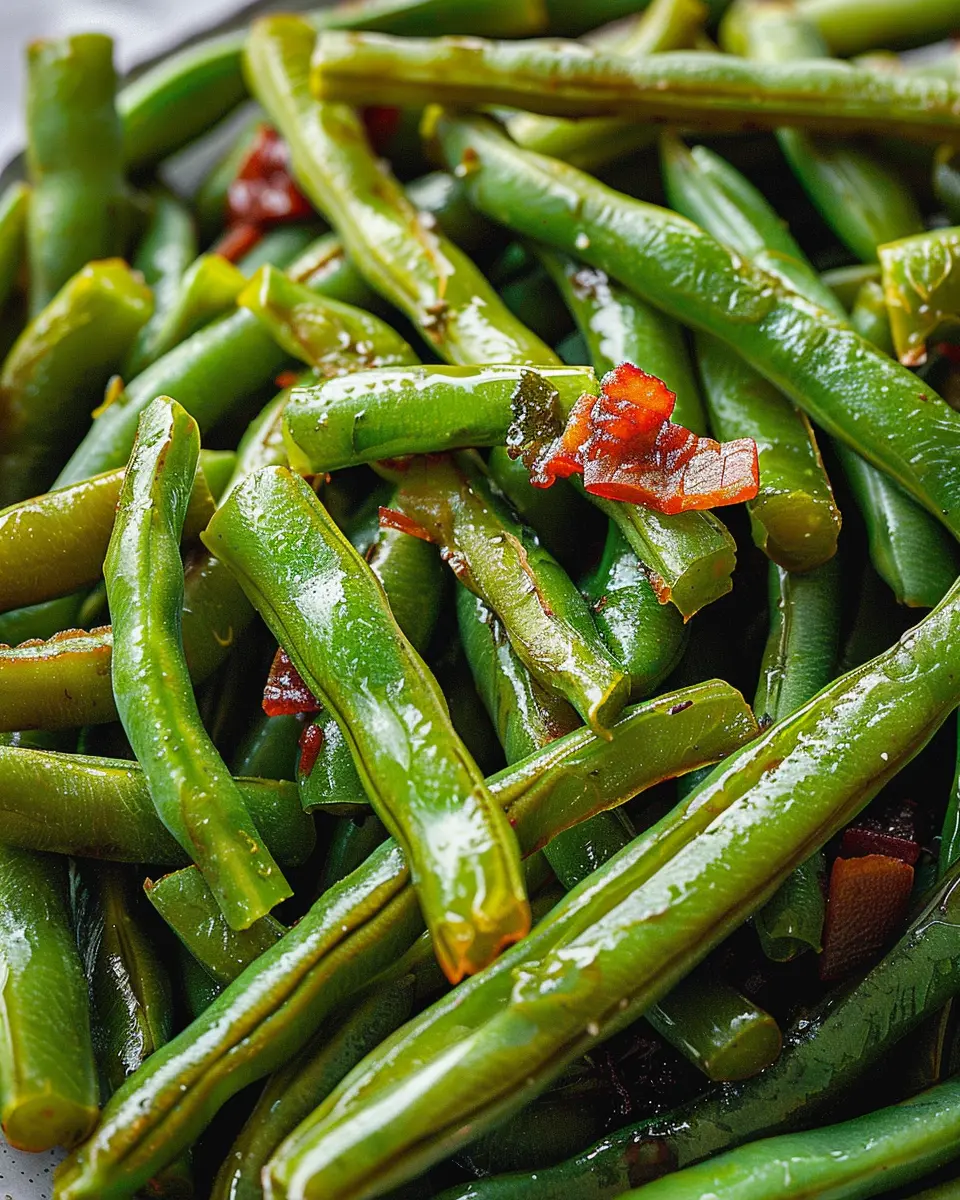






Introduction to Creamy Winter Vegetable Casserole
As the cold winds start to blow and the days become shorter, our cravings shift towards hearty, nourishing foods. This is where winter vegetables truly earn their place in our kitchens. Think about it — vegetables like butternut squash, kale, and carrots not only offer rich flavors, but they also come packed with essential vitamins and minerals to keep us thriving during the chilly months. These vibrant veggies are in season, making them incredibly fresh and full of flavor. If you’re curious about the benefits of seasonal eating, you can check out this informative piece from Healthline.
The creamy winter vegetable casserole is the perfect dish to showcase these ingredients. A medley of baked winter vegetables enveloped in a rich, velvety sauce creates an experience that’s hard to resist. Imagine your home filled with the aroma of roasted vegetables mingling with the creamy goodness, instantly warming you up from the inside out.
The Comfort of Casseroles in Cold Weather
Casseroles have a unique way of making us feel cozy and satisfied, especially when the temperature drops. Perhaps it’s the ease of preparation or the way it feeds a group, but there’s something undeniably comforting about gathering around a warm dish. You can toss in whatever winter veggies you have on hand, add some turkey bacon or some flavorful chicken ham, and voila! Dinner is served.
There’s no need to fret over complicated recipes or long cooking times. Casseroles are all about simplicity, allowing you to enjoy more of what matters: time with friends, family, or even a solo movie night. And let’s not forget the leftovers! They make for an excellent lunch, saving both time and money, which is always a win in our busy lives.
Ready to warm up your winter nights? Get ready to dive into this creamy winter vegetable casserole recipe that’s not only satisfying but also packed with nutrients. For more tips on using winter vegetables in your cooking, check out The Spruce Eats. With each hearty serving, you’ll feel nourished and cozy, making the cold months just a little easier to bear.

Ingredients for Creamy Winter Vegetable Casserole
Crafting a delightful creamy winter vegetable casserole starts with gathering all the right ingredients. Here’s what you’ll need to create a cozy dish that warms both your kitchen and heart:
-
Seasonal Vegetables: Aim for a mix of hearty veggies like broccoli, cauliflower, and carrots. These not only provide flavor but also nutrients, with broccoli loaded with vitamins C and K. Check out this resource from Healthline to see the benefits.
-
Creamy Base: For that sumptuous texture, you’ll want heavy cream or a plant-based alternative if you’re looking for lighter options. This will bring everything together beautifully.
-
Protein Options: Consider using Turkey Bacon and Chicken Ham for a satisfying boost. They add a nice savory element that complements the vegetables perfectly.
-
Cheese: A blend of sharp cheddar and Parmesan can kick up the flavor. Cheese lovers will appreciate the melty goodness that brings this casserole to life!
-
Herbs and Spices: Don’t forget to add a sprinkle of thyme and garlic powder for that aromatic punch!
These ingredients not only create a comforting meal but also allow room for personal twists—feel free to mix and match based on your taste and what you have on hand!
Preparing Creamy Winter Vegetable Casserole
When the weather gets chilly, there’s nothing quite like a warm, creamy winter vegetable casserole to make you feel cozy inside. This dish is not only a treat for the taste buds but also a fantastic way to incorporate seasonal vegetables into your diet. Let’s walk through the steps of preparing this delicious casserole so you can impress your friends and family at your next gathering.
Preheat the Oven and Prepare the Baking Dish
Before diving into the fun of mixing ingredients, start by preheating your oven to 375°F (190°C). This ensures that your casserole cooks evenly and to perfection. While the oven warms up, grab a 9×13 inch baking dish. A light coating of non-stick cooking spray or butter will help prevent any sticking, making for a hassle-free serving experience later on.
Prepping the Winter Vegetables
The star of our creamy winter vegetable casserole is undoubtedly the vegetables! This is where you can have a bit of fun, choosing seasonal favorites. Consider a mix of:
- Brussels sprouts
- Carrots
- Cauliflower
- Sweet potatoes
- Butternut squash
Chop them into bite-sized pieces. You’ll want them to be roughly uniform in size to ensure even cooking. If you want to save some time, pre-cut veggies are available at your local grocery store. Just make sure to check out reliable sources like the USDA for seasonal veggie recommendations.
Combining the Creamy Mixture
Next, it’s time to whip up that creamy goodness! In a mixing bowl, combine:
- 1 cup of sour cream (or Greek yogurt for a lighter version)
- 1 can of cream of mushroom soup (for that rich, hearty flavor)
- 1 teaspoon of garlic powder
- Salt and pepper to taste
Mix until smooth and creamy. If you’re feeling adventurous, a splash of vegetable broth can enhance the flavor even more! This is also the perfect moment to add some shredded cheese for extra creaminess—cheddar works wonderfully.
Filling the Baking Dish with Tasty Ingredients
Once your creamy mixture is ready, it’s time to layer those vibrant veggies in your baking dish. Start with the denser vegetables like sweet potatoes and carrots, and work your way to the lighter veggies such as Brussels sprouts and cauliflower. Pour the creamy mixture evenly over the vegetables, ensuring they’re well coated. Give it a gentle mix with a spatula to allow the flavors to meld beautifully.
Creating the Perfect Crunchy Topping
No casserole is complete without a bit of texture, and that’s where the topping comes in! In a small bowl, combine:
- 1 cup of panko breadcrumbs
- 1 tablespoon of melted butter
- 1/2 cup of grated Parmesan cheese
Mix this together until the breadcrumbs are evenly coated with butter. Sprinkle this delightful crunchy topping generously over your casserole. It’s what elevates this dish from good to absolutely mouthwatering.
Baking to Perfection
Now that everything is in place, cover your casserole with aluminum foil and bake for about 25 minutes. After that, remove the foil and let it bake for another 15-20 minutes or until the veggies are tender and the top is golden brown. The smell wafting through your kitchen will be an irresistible invitation to dinner!
Letting it Rest Before Serving
Once out of the oven, it’s tempting to dive right in. But let your casserole rest for 10-15 minutes. This allows the flavors to settle and makes for easier serving. Meanwhile, you can set the table, pour some sparkling water, and prepare to impress your guests with your culinary skills.
So, there you have it! With these straightforward steps, your creamy winter vegetable casserole is bound to be a hit. Now it’s time to enjoy the fruits of your labor—in good company, of course!

Variations on Creamy Winter Vegetable Casserole
When the cold winter months hit, a creamy winter vegetable casserole is sure to warm you from the inside out. But why stick to just one version? Let’s explore variations that add flavor and substance to this cozy dish.
Adding Protein: Chickpeas or Chicken Ham
Looking to infuse your casserole with some protein? Consider adding chickpeas for a hearty, plant-based option. They’re not only rich in protein but also add a lovely texture. Alternatively, for some meaty goodness, diced chicken ham can elevate your dish—a delightful fusion of flavors that provides both comfort and satisfaction.
Incorporating Different Cheeses for Flavor
Cheese is a wonderful way to enhance the richness of your creamy winter vegetable casserole. Try mixing different types of cheese for a unique twist—sharp cheddar offers a robust flavor, while creamy mozzarella creates a smooth texture. You might even want to sprinkle a bit of feta on top before baking for a tangy finish. Just think about the layers of flavor you could create!
Seasonal Vegetable Swaps: What to Try
Seasonality plays a crucial role in flavor. Consider swapping your standard veggies for seasonal options. For example:
- Kale or Swiss Chard instead of spinach for a heartier green.
- Carrots and parsnips can replace potatoes for a sweeter profile.
- Brussels sprouts add a crunch and an earthy taste.
These adjustments keep your casserole fresh and relevant with every season. Plus, using in-season produce can often be more affordable and environmentally friendly.
With these variations, your creamy winter vegetable casserole can become a versatile dish that you’ll look forward to re-creating throughout the chilly months! Check out more about in-season vegetables here to inspire your next cooking adventure.
Cooking Tips and Notes for Creamy Winter Vegetable Casserole
Choosing the Right Vegetables
When creating a creamy winter vegetable casserole, you have a delightful canvas to work with! Root vegetables like carrots, parsnips, and sweet potatoes add depth and sweetness. Don’t forget leafy greens like kale or spinach for a nutritious boost. For a crispy texture, consider incorporating Brussels sprouts or cauliflower. Use what’s in season for the freshest flavors, and explore your local market for inspiration.
Adjusting the Creaminess and Flavor
The beauty of this casserole lies in its versatility. Want to make it even creamier? Try adding a dollop of sour cream or swapping out some of the cream for Greek yogurt. For a flavor twist, infuse your dish with herbs like thyme or rosemary, or consider a splash of vegetable broth for added richness. Experiment with spices to find your perfect balance!
Storing Leftovers: Best Practices
If you’re lucky enough to have leftovers, store them in an airtight container in the refrigerator for up to three days. For optimal taste, reheat gently in the oven or microwave, adding a splash of milk or cream to revive the creaminess. Can’t finish it all? This casserole freezes beautifully! Just make sure to cool it completely before transferring to a freezer-safe container. Want to read more about proper food storage techniques? Check out resources from the USDA Food Safety and Inspection Service for extra tips!

Serving Suggestions for Creamy Winter Vegetable Casserole
Pairing with Fresh Green Salads
To complement your creamy winter vegetable casserole, consider serving it with a refreshing green salad. A mix of arugula, spinach, and crisp romaine can provide a pleasant contrast to the rich, comforting casserole. Toss in some seasonal fruits, like sliced pears or apples, and sprinkle with nuts for an added crunch. Drizzle with a light vinaigrette to enhance the flavors without overpowering them. This balance of textures and tastes creates a satisfying dining experience.
Perfect Side Dishes for a Cozy Meal
When it comes to side dishes, think warm and hearty. Garlic bread or a fluffy whole grain roll can be the perfect carb companions. Alternatively, roasted root vegetables seasoned with olive oil and herbs enhance the rustic feel of your meal. For a creamy touch, a side of mashed potatoes enriched with a dollop of sour cream can echo the richness of your casserole nicely.
Transforming Leftovers into New Dishes
Don’t let any leftovers go to waste! You can easily transform remaining creamy winter vegetable casserole into a delightful breakfast hash. Just chop it up, sauté with freshly diced onions and bell peppers, and top with a sunny-side-up egg for a delicious start to your day. Alternatively, mix the remnants into a wrap with fresh greens for a quick lunch. Getting creative with leftovers not only cuts down on food waste but also saves you time and effort in the kitchen.
For more inspiration, check out resources like The Kitchn for creative leftover ideas that elevate your cooking game!
Time Breakdown for Creamy Winter Vegetable Casserole
Preparation Time
Preparing your creamy winter vegetable casserole doesn’t have to be daunting. Spend about 20-25 minutes washing, chopping, and prepping your colorful winter vegetables. Think of this time as a chance to unwind after a busy day, allowing the fresh ingredients to inspire your cooking!
Cooking Time
Once your veggies are prepped, the cooking time is about 45 minutes. This includes a comforting bake in the oven to meld all the flavors together. While it’s baking, you can tidy up the kitchen or enjoy a cozy moment with your favorite book.
Total Time
In total, you’re looking at around 1 hour and 10 minutes for this delicious dish. Perfect for a weeknight dinner or impressing guests, it’s a harmonious blend of ease and elegance. With this creamy winter vegetable casserole, you’re just a little over an hour away from a delightful meal. For tips on making meal prep easier, check out trusted sources like Food Network and Serious Eats for more cooking hacks!
Nutritional Facts for Creamy Winter Vegetable Casserole
When the temperatures drop, a hearty creamy winter vegetable casserole can provide the comfort food you crave while keeping nutrition in check.
Estimated Calories Per Serving
This delightful casserole packs about 280 calories per serving, making it a satisfying yet unburdening choice for dinner.
Macronutrient Breakdown
- Protein: Approximately 10g (great for muscle repair, especially if you pair it with some roasted chicken!)
- Carbohydrates: Around 40g (providing energy for those chilly nights)
- Fat: Roughly 12g (largely from the creamy elements and turkey bacon)
Did you know? Including more vegetables can help reduce calories while boosting fiber, making it easier to fulfill your daily nutritional needs according to the Dietary Guidelines for Americans.
Dietary Considerations
- Vegetarian-Friendly: Swap turkey bacon for a plant-based alternative for a meat-free version.
- Gluten-Free: Use gluten-free breadcrumbs or omit them for a lighter dish.
- Low Carb: Consider substituting traditional starchy ingredients with more non-starchy vegetables.
This creamy winter vegetable casserole is adaptable for various dietary preferences, ensuring that everyone at the table finds something to enjoy. When was the last time you served a dish that pleased every palate? Cozy up with this recipe and explore its many delicious variations!
FAQs About Creamy Winter Vegetable Casserole
Can I make this casserole ahead of time?
Absolutely! One of the best things about this creamy winter vegetable casserole is that it can be prepared in advance. Simply assemble the casserole, cover it tightly, and store it in the refrigerator for up to 24 hours before baking. When you’re ready to serve, just pop it in the oven. If you’re feeling a bit pressed for time, you can even freeze it for up to three months! Just thaw it overnight in the fridge and bake as directed. It’s a fantastic option for holiday gatherings or busy weeknights.
What are some good substitutes for cream of mushroom soup?
If you’re looking to swap out the cream of mushroom soup, there are plenty of delicious alternatives. You can use:
- Cream of celery soup: This option offers a subtle flavor that complements many vegetables.
- Creamy garlic sauce: Just whip up a quick sauce using garlic, butter, and cream for a rich base.
- Homemade cream sauce: A mixture of flour, milk, and seasonings can create a custom blend perfectly tailored to your taste.
For more ideas, check out this guide on soup substitutes from Food Network.
How do I make this casserole gluten-free?
Transforming your creamy winter vegetable casserole into a gluten-free masterpiece is simpler than you might think.
- Choose gluten-free flour or cornstarch to thicken your creamy sauces.
- Ensure your broth or stock is gluten-free, as some might contain hidden gluten.
- Substitute traditional breadcrumbs with crushed gluten-free crackers or gluten-free panko for that satisfying crunch on top.
With these adjustments, you can enjoy a comforting dish that caters to all dietary needs! If you’re looking for more tips, check out this comprehensive gluten-free guide for additional inspiration.
Conclusion on Creamy Winter Vegetable Casserole
As we embrace the cold winter months, there’s nothing quite like gathering around a warm dish that not only comforts but also nourishes. This creamy winter vegetable casserole brings together the heartiness of seasonal vegetables, creamy sauces, and the ultimate coziness your home craves. Perfect for weeknight dinners or festive gatherings, this dish is fully customizable—feel free to swap in your favorite veggies or proteins.
Consider serving it with a crisp side salad or some hearty bread to round out your meal. Explore more seasonal recipes for winter comfort, like this seasonal salad or cold-weather soups that highlight fresh ingredients. So grab your baking dish, invite friends over, and savor the warmth of this creamy winter vegetable casserole.
PrintCreamy Winter Vegetable Casserole with Turkey Bacon Delight

A delicious and hearty casserole that combines winter vegetables with turkey bacon for a comforting meal.
- Prep Time: 20 minutes
- Cook Time: 35 minutes
- Total Time: 55 minutes
- Yield: 6 servings
- Category: Casserole
- Method: Baking
- Cuisine: American
- Diet: Gluten-Free
Ingredients
- 4 cups broccoli florets
- 2 cups chopped carrots
- 1 cup diced onions
- 1 pound turkey bacon, cooked and crumbled
- 2 cups shredded cheddar cheese
- 1 can (10.5 oz) cream of mushroom soup
- 1 cup milk
- 1 teaspoon garlic powder
- 1 teaspoon black pepper
- 1 teaspoon salt
- 1 cup breadcrumbs
Instructions
- Preheat the oven to 350°F (175°C).
- In a large mixing bowl, combine broccoli, carrots, onions, turkey bacon, and cheese.
- In another bowl, mix the cream of mushroom soup, milk, garlic powder, pepper, and salt until smooth.
- Pour the soup mixture over the vegetable and turkey bacon mixture and stir until well combined.
- Transfer the mixture into a greased casserole dish.
- Top with breadcrumbs.
- Bake for 30-35 minutes or until heated through and bubbly.
Notes
- For a vegetarian option, omit the turkey bacon.
- You can substitute other vegetables such as cauliflower or green beans.
Nutrition
- Serving Size: 1 serving
- Calories: 320
- Sugar: 4g
- Sodium: 600mg
- Fat: 18g
- Saturated Fat: 7g
- Unsaturated Fat: 8g
- Trans Fat: 0g
- Carbohydrates: 28g
- Fiber: 3g
- Protein: 20g
- Cholesterol: 50mg